Chamberlin Woods
Year Acquired: 1998 and 1999
Size: 58 acres
Miles of Trails: 0.56 miles on Land Trust Land
Features: Active wildlife habitat, white pine and hemlock woods, swamp with rock outcroppings.
Overview
Chamberlin Woods consists of 58 tranquil acres of land, mostly wooded, on the east side of Lowell Road. Trails here connect to the larger Estabrook Woods through property of Middlesex School and private landowners. These woods were the generous gift of the Newbury children who grew up across Lowell Road. The donation to the Land Trust was completed in 1999.
Trails: Easy walk, some wet areas, slight inclines.
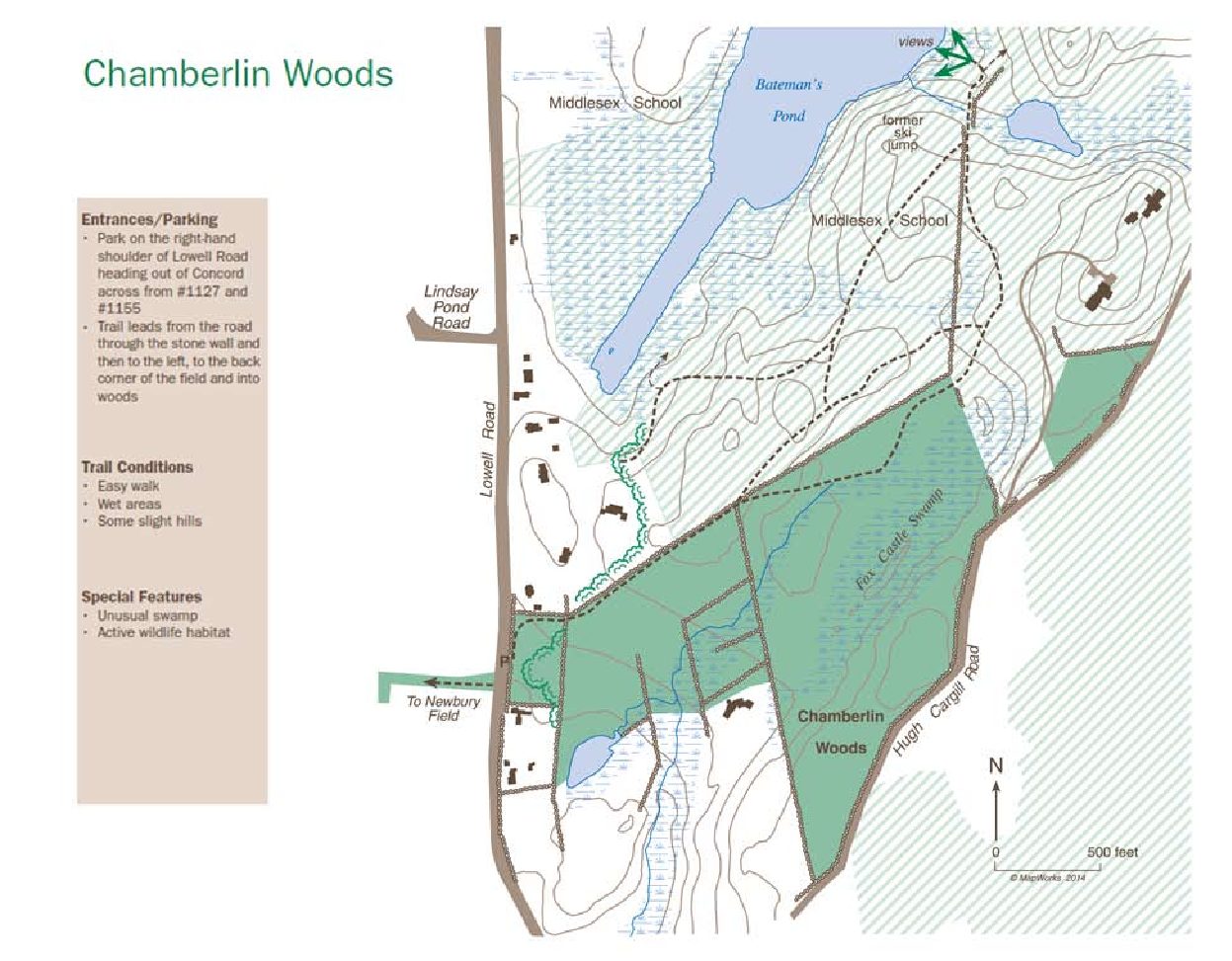
Entrances/Parking: Park along the east side of Lowell Road between houses #1127 and #1155.
Map Legend

Icons on the map can be clicked to get directions on Google Maps (works best for Parking Icons). Many Land Trust properties have trails that cross onto other land. Please stay on trails and abide by posted signs.
Explore the Land
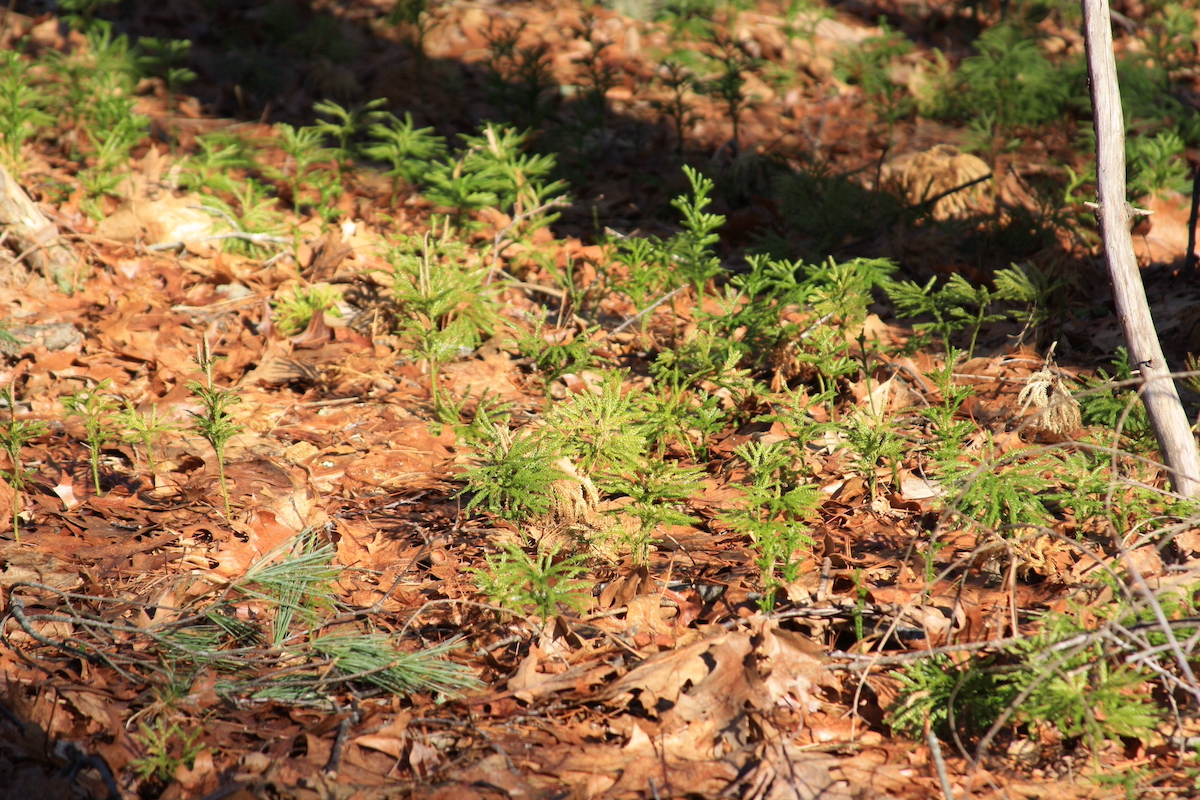
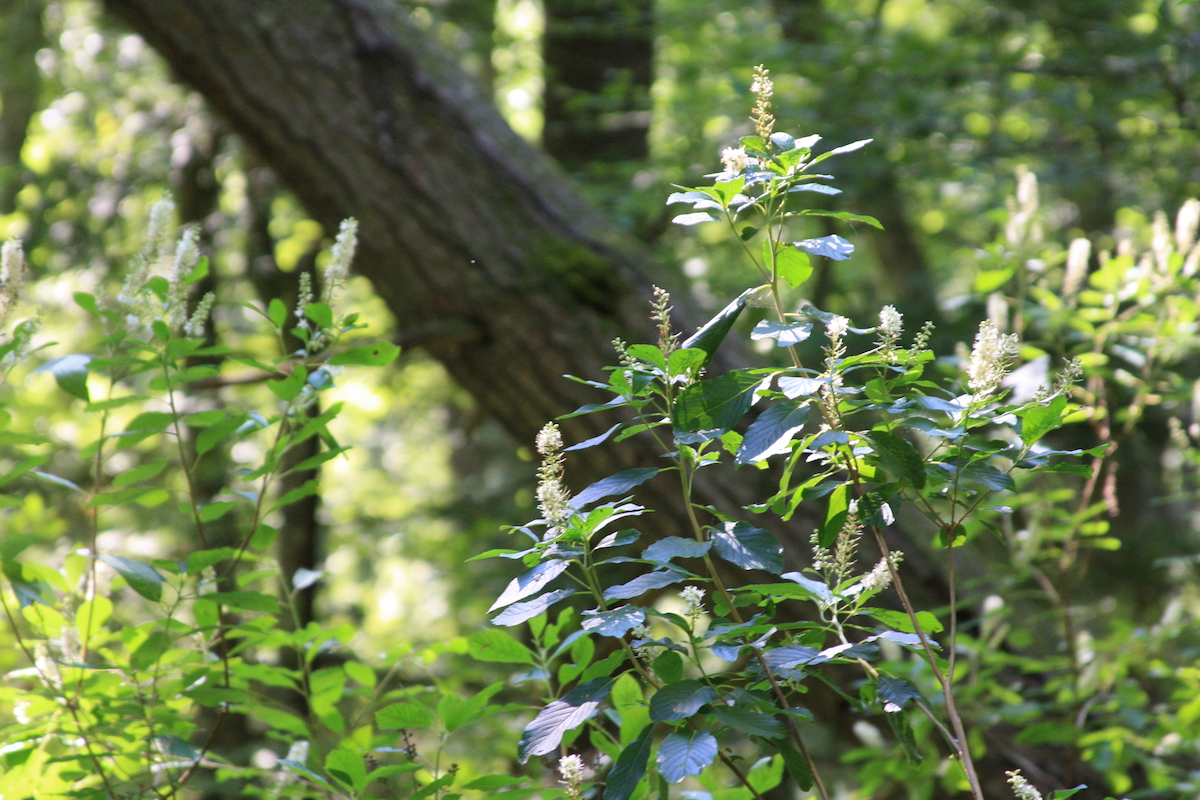
The trail leads from Lowell Road through a stone wall and a small field before entering the forest. A kiosk sits at the forest’s edge with information about the trails, woods, and history of the land. The woods consist of highly glaciated terrain, a large central swamp, and several areas of exposed ledge. They provide rich wildlife habitat for porcupines, fishers, amphibians, and owls. The trees are mostly white pine and hemlock. South of the main trail is a long wetland called Fox Castle Swamp where several ledge outcroppings create a series of islands rising from the swamp.
After 0.5 miles along the stone wall, the trail branches off to the left and passes through the stone wall onto land owned by Middlesex School. These trails are open to the public. If you continue on the main trail for about half a mile, keeping the stone wall on the left, the trail crosses into private property. Please stay on the trail and observe posted rules and signs. This trail leads back onto Middlesex School property and offers views of Bateman’s Pond and, at the end, leads northeast into Estabrook Woods.
Estabrook Woods has an extensive network of trails, but not all trails are open for public recreation. When you visit, please stay on trails and respect any posted rules for use. While the Land Trust requires dogs to be under the control of their owners, many trail owners ask that dogs be leashed; please respect the posted rules.
History of Preservation
Chamberlin Woods was donated to the Land Trust in two parcels, in 1998 and 1999. It was the joint gift of the four Newbury children – Bill, David, Sam, and Nancy – who grew up across Lowell Road and have fond memories of playing in these woods. They inherited the property from their aunt Mary Chamberlin; she loved the woods and spent much time planting trees, shrubs and wildflowers, controlling brush, and just walking.
Chamberlin Woods is part of 1,700 acres of open space in Concord and neighboring town Carlisle, known as Estabrook Woods. In the 1960s, two Harvard University professors coordinated with landowners in the two towns to acquire a large portion of forest for teaching and research in the environmental sciences. With the help from the Town of Concord, the Land Trust, and citizen donations, Harvard assembled 672 acres in the center of the Woods, now part of the University’s Concord Field Station within the Museum of Comparative Zoology. In the 1990s, a campaign was launched to create a buffer of protected land around Harvard’s acres. Through the efforts of many organizations, including the Land Trust, an additional 400 acres of open space was permanently protected. As the result of those efforts, Harvard committed to conserving its property for education and research. Today, the Woods are recognized as the largest, most ecologically important, natural area in Concord. It is contiguous and remote forest; a mosaic of rocky uplands – erratics, calcareous rocks, eskers – and varied swamps, ponds, and vernal pools. Estabrook Woods supports a biodiverse population of plants and wildlife, and exhibits strong resiliency in the face of climate change, according to data from the Natural Heritage & Endangered Species Program.