Founded over 60 years ago, the Concord Land Conservation Trust has made significant contributions towards preserving the unique, natural character of the Town of Concord. During that time period, the Land Trust has accumulated a successful track record of land conservation and recruited a large membership among the citizens of Concord.
The Land Trust was formed in 1959 with the mission to conserve the natural resources of Concord, including preserving the Town’s traditional landscape of woods, meadows and fields. The original founders were David Emerson, Caroline Buttrick, Thomas Flint and Robert Rodday, soon followed by Elizabeth Lowell.
These visionaries sensed the forces that were transforming America – the Interstate highway system, post-war housing development, crowding out of nature – and felt the need to create an organization in the private sector to preserve open space in Concord. The Land Trust was established to provide landowners, either while alive or through their estates, with a vehicle to preserve their property as open space. Rather than selling their property to a real estate developer, landowners were encouraged to donate their land to the Land Trust to be preserved in its undeveloped state forever. As a 501(c)(3) organization, the Land Trust was able to afford donors the tax advantages of charitable deductions.
Thus the Land Trust was born. During the 60’s and 70’s, the organization received donations of nearly 400 acres in fee. The first gift was made by Helen Robinson Wright; these 232 acres in Wright Woods continue today as the Land Trust’s largest and most notable property. Elise Huggins, Russell Clark, and Alan Bemis also donated properties that form the core of the Land Trust’s Upper Spencer Brook Valley, another large section of conserved land in Concord.
As the organization entered its third decade in the 1980’s, three things became clear to many in Concord’s conservation community. First, the inventory of large parcels was quickly disappearing (at the time there were only 40 parcels of open land consisting of at least 30 acres left in Concord). Second, Boston area land values were rapidly rising and creating enormous development pressure. And third, the Land Trust needed to do more than simply accept donated land; it needed to be prepared to purchase critical properties.
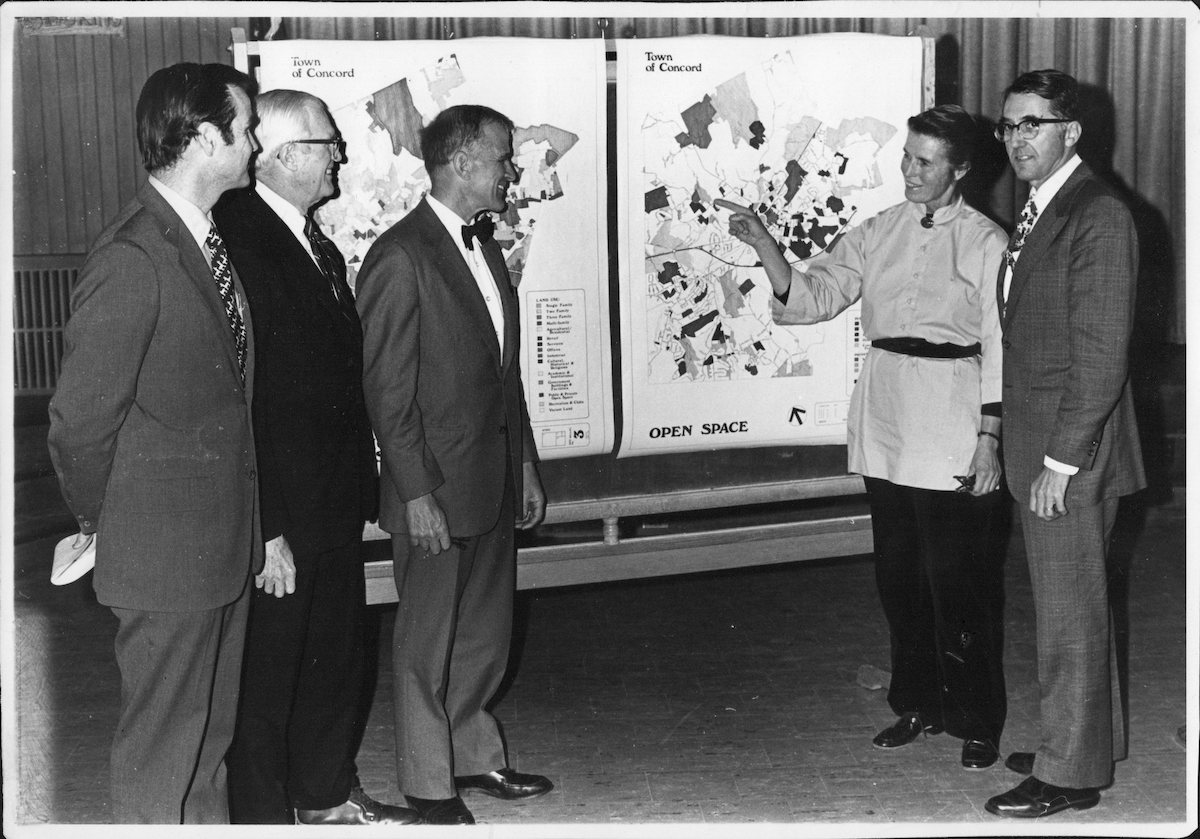

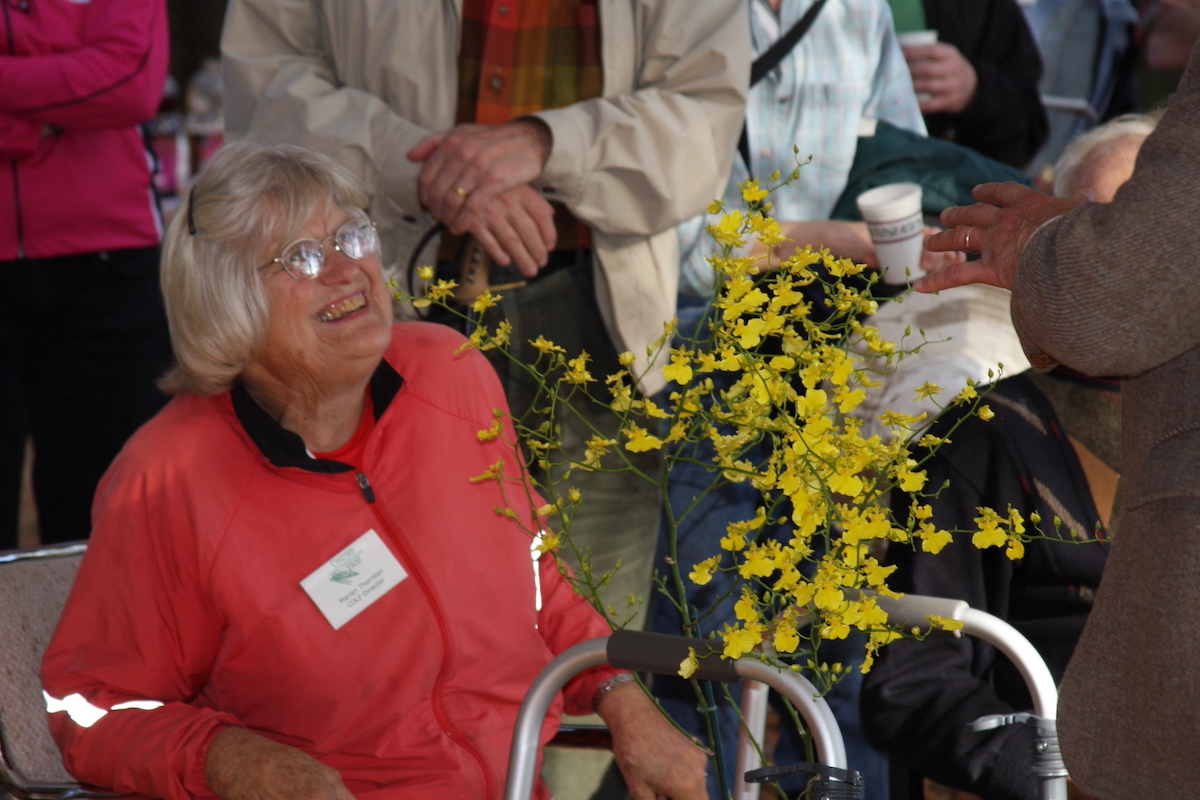
At the same time, Marion Thornton (later to become the Chair of the Land Trust) founded another Concord conservation organization with similar goals, the Concord Open Land Foundation (COLF). COLF and the Land Trust merged in 1988. Aided by COLF, the Land Trust was able to purchase properties by competing head-to-head with land developers and, where feasible, pursue limited development projects.
While the Land Trust was independently pursuing land protection projects, it also partnered with the Town and other organizations to successfully preserve important pieces of open space such as the following:
- Estabrook Woods, including establishing the Harvard Field Station in Estabrook Woods in the 1960’s and protecting over 400 acres of Harvard’s land through the Campaign for the Estabrook Woods in the 1990’s;
- Mattison Field, a flagship Town property off ORNAC that was a joint project with the Trust for Public Land;
- October Farm Riverfront, over 80 acres along the Concord River; and
- Assabet River Bluff, a joint conservation and affordable housing project between the Town of Concord, Sudbury Valley Trustees, and the Concord Housing Development Corporation.
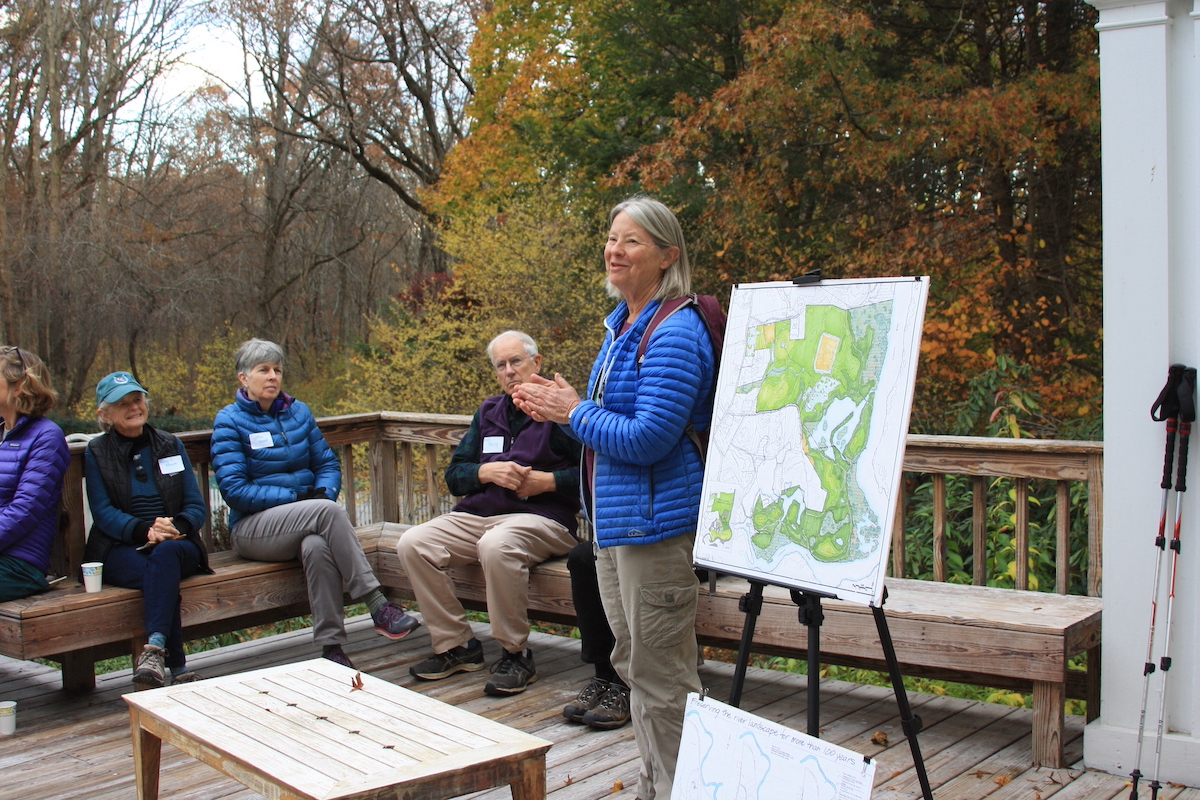
Today, entering its 7th decade, the Land Trust’s holdings total 8% of the land area of Concord.
By COLF president Tom Tremblay, 2023